A spring AC tune-up checklist should separate what you can safely observe from what a technician needs to test.
Before the visit, record comfort problems and check the thermostat and filter.
Clear ordinary obstructions around vents.
Leave electrical connections, refrigerant work and internal cleaning to a qualified professional.
For Salt Lake City homeowners, this preparation helps turn a routine appointment into a clear discussion of how the system actually performs.
Prepare the record before the visit
Start with the equipment information you already have. Gather:
- The owner's manual.
- Past service notes.
- Filter details. Do not remove a cover to search for a model label.
Write down rooms that were uncomfortable during the last cooling season.
Include whether the problem occurred all day, only later in the day or mainly with a door closed.
If you heard an unusual sound or found water, record what happened and when. Use plain observations rather than naming a part you have not tested.
For example, “the upstairs bedroom stayed warm while the hallway cooled” gives the technician a starting point.
“The system needs more refrigerant” is an unconfirmed conclusion.
Bring the history even if the AC seems fine on the day of the visit.
An intermittent problem may not occur while someone is standing beside the unit.
Check the controls and accessible filter
Read the thermostat mode, target and current schedule. Note any setting you do not understand so you can ask about it during the appointment.
Keep a photo of an unfamiliar message. Do not remove the control from the wall or open wiring compartments to investigate it.
With the system off, inspect the filter only as the owner instructions permit. Record its size, type and condition. Replace it according to those instructions when needed.
ENERGY STAR includes filter care among homeowner maintenance tasks, while describing separate checks for the contractor.
Its maintenance checklist provides a useful division of responsibility.
Do not run the system without a filter to test whether airflow improves. If access is unclear, ask the technician to show you the correct procedure.
Keep the old filter details in your notes, even if you replace it before the visit. That gives context for any change in airflow.
Walk through the rooms and around the outdoor unit
Look for furniture, rugs or curtains blocking room vents and return grilles. Move simple obstructions you can safely reach without removing the grille.
Note whether the problem affects one room or several. A simple sketch of rooms, doors and vent locations can help explain a comfort concern.
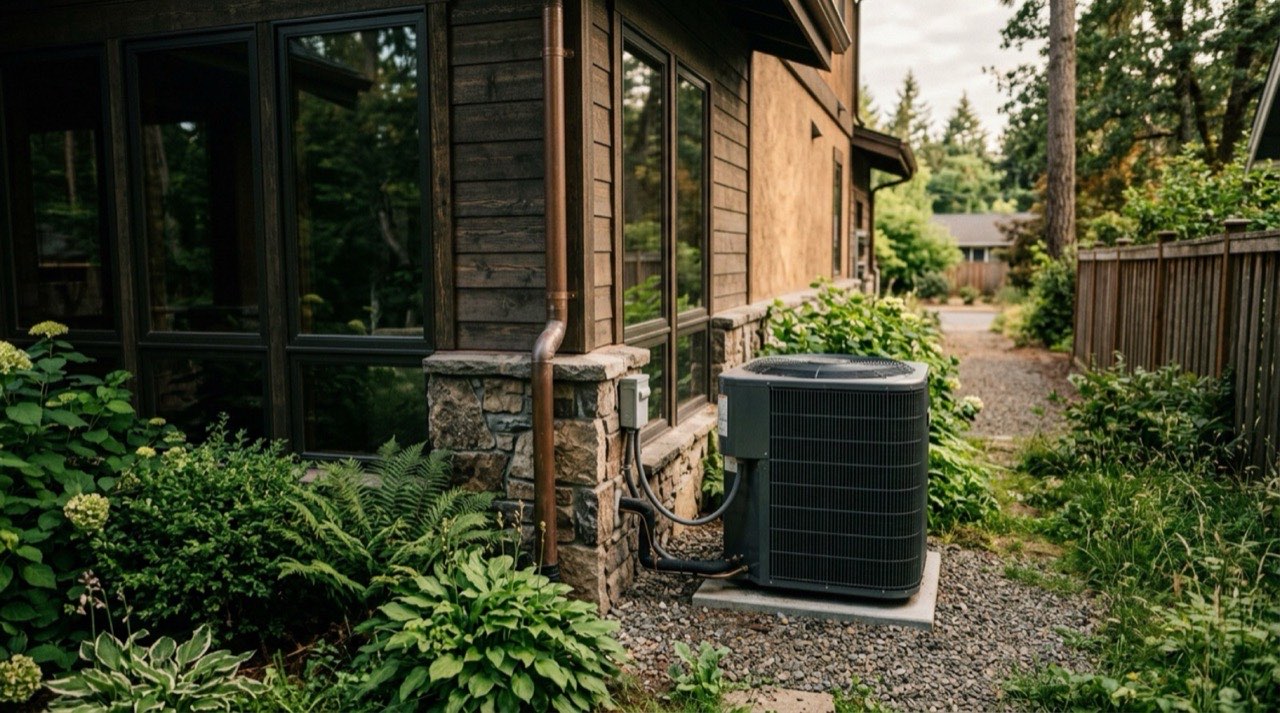
Outside, view the unit from safe ground. Mention vegetation, stored items or visible debris near it. Leave the cabinet and fan grille in place.
Follow the owner's manual for clearance and cleaning instructions. Do not assume that a generic distance or hose-cleaning method applies to every unit.
In a Salt Lake City home, you might find that winter storage now blocks the route to the outdoor equipment.
Clearing a safe access path helps the visit proceed.
If you see damage or hear an unusual sound, report it. Do not reach inside to remove an object or try to spin the fan.
Separate professional checks from homeowner tasks
Ask the service provider what the appointment includes for your equipment. A homeowner preparation checklist does not replace the professional inspection.
ENERGY STAR's checklist includes control operation, electrical connections, condensate drainage, coils, blower components and refrigerant checks.
Those items describe areas for a trained contractor to evaluate.
Do not treat that list as instructions to tighten wiring, attach refrigerant tools or clean internal parts yourself. The actual procedure depends on the system.
Ask how findings will be documented. A useful explanation connects the observed condition to the recommended next step instead of naming a part without context.
If you are already dealing with poor cooling, ask Valley Plumbing about AC service and explain the active symptom when booking.
That allows the discussion to distinguish routine care from a problem that needs diagnosis. Do not assume the same appointment scope covers both.
Report faults before asking for routine maintenance
Visible ice, unusual water or repeated shutdowns deserve a clear mention before the visit. Do not keep operating the system to demonstrate the problem.
Carrier identifies several possible reasons an AC may fail to cool, including airflow and equipment conditions.
Its cooling troubleshooting guide shows why a symptom needs testing.
Stop cooling at a safely accessible thermostat if ice appears or the outdoor unit hums without its fan moving. Leave equipment covers closed.
Stay away from water near powered equipment. Do not keep resetting a breaker or bypass a safety switch to resume operation.
An active fire, smoke or sparking requires an immediate safety response. Routine scheduling is not the right response to an immediate hazard.
If the house becomes uncomfortable while the AC is off, use another comfortable location while arranging help.
Leave with a clear service record
Before the visit ends, ask what was checked, what was found and whether any concern remains unresolved. Keep the answers with your equipment records.
Ask which maintenance tasks you can safely perform and which need professional attention. Confirm the filter type and where to find the instructions for your model.
If a repair is recommended, ask what evidence supports it. A maintenance visit should leave you with a clearer understanding of the next step.
For spring cooling preparation in Salt Lake City, contact Valley Plumbing for AC service. Share your room observations and equipment history when you book.