A shower not getting hot can be confusing when the bathroom sink still warms up. Compare the affected fixtures and record the pattern before changing any controls.
This guide helps Salt Lake City homeowners describe that one-shower problem without assuming the water heater has failed.
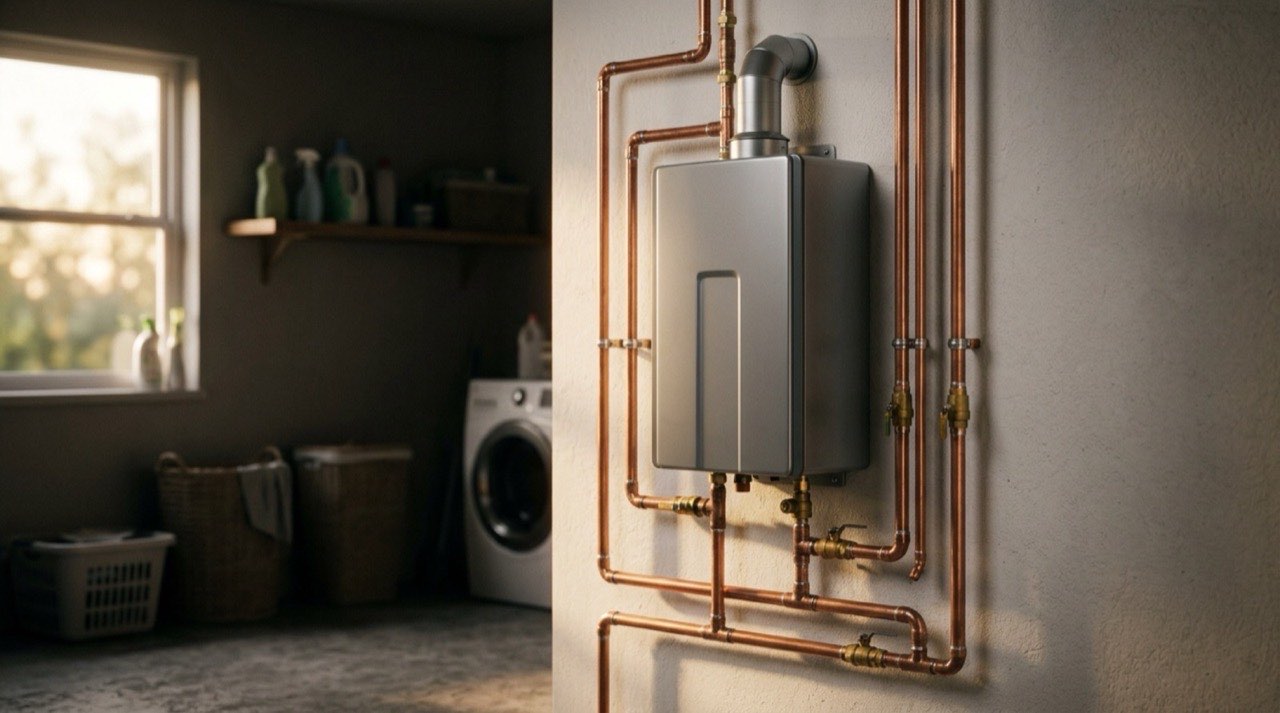
Start with the difference between fixtures
First, separate what you already know from what you suspect. Does the shower stay cold, become lukewarm, or lose flow when the handle moves toward hot?
Those descriptions are more useful than simply saying the hot water is broken. They also avoid naming a part before anyone has checked it.
During normal, safe use, note whether the nearby sink and another household tap still provide hot water. Do not run several fixtures together as a stress test.
Record each observation separately:
- Which shower has the problem?
- Does water still flow from it?
- Is another tap working normally?
- Did the change start suddenly or develop over time?
- Was there recent plumbing work or a water interruption?
Avoid testing the hottest setting with your hand or standing in the spray to judge it. Stop using a shower that gives sudden, unsafe temperature changes.
Moen's shower troubleshooting guidance begins by checking whether the home's hot-water system works and identifying the faucet model.
That order helps explain why a cold shower does not, by itself, prove a heater failure.
Record cold water and weak flow separately
A steady stream that remains cold is different from a stream that nearly stops. Include both flow and warmth in your notes.
You do not need to measure pressure or remove the showerhead to make that distinction. Describe what happened during ordinary use, then leave the fixture alone.
For example, imagine a Salt Lake City homeowner notices that the sink warms up as usual, but the shower produces only a trickle near its normal warm setting.
A useful report would say, “The sink still warms up. The shower flow drops near the warm position.”
That account preserves two observations. Saying “the heater needs replacement” skips past the fixture difference and turns an untested guess into the starting point.
If both the shower and other taps have lost hot water, report that broader change instead. Valley Plumbing's water heater service may be relevant to that pattern.
The comparison helps direct the conversation. It does not confirm which component needs work.
Find the model without taking the control apart
Look for a visible brand name on the handle or trim. Check saved manuals, a receipt, or records from a previous bathroom project.
A clear photo of the intact control can help explain what is installed. Keep private household details out of the frame.
Record whether the shower uses one handle, separate controls, or a digital display. Include any message already visible on that display.
You do not need to remove the handle or wall plate to gather these details. If the model is unclear, ask the manufacturer or plumber to identify it.
Moen's guidance gives different procedures for different valve families. A video showing a similar handle is not proof that the same steps apply to yours.
Keep the distinction between the outer trim and the hidden parts clear. Do not order a cartridge solely because its picture resembles your shower control.
Leave temperature limits and hidden valves alone
Some shower controls limit handle travel or regulate mixed water temperature. The correct setup depends on the specific valve and its instructions.
Moen explains that shower temperature can differ from a nearby sink. It also describes model-specific supply and control issues.
A difference between fixtures is therefore useful evidence, but it is not a reason to make both outlets equally hot.
Do not raise the water heater setting to compensate for one cold shower.
Leave shower safety limits, hidden valves and internal adjustments to someone qualified to assess them.
Avoid repeatedly shutting off the home's supply to try a reset found online. Do not force a stiff handle or remove parts to flush the valve.
If the shower leaks, will not shut off, or changes temperature sharply, stop using it and request plumbing help. Keep others informed that it needs attention.
Give the service call a clear timeline
Before contacting Valley Plumbing about plumbing service, gather the few facts that describe this particular shower.
A short note can include:
- The affected bathroom and visible control brand.
- Whether other taps still provide hot water.
- Whether shower flow stays steady or falls off.
- When the problem first appeared.
- Any recent repair, installation, or supply interruption.
- A photo of the intact handle and trim.
Mention a recent change without presenting it as the cause. A problem noticed after other work may be related, but timing alone does not prove that.
You can also explain whether the symptom happens each time or comes and goes. Do not repeat an unsafe test just to make the report more complete.
If you rent, give the same notes to the property manager and follow the home's maintenance process before arranging changes.
Get help with the affected shower
When a shower is not getting hot while other taps work, the fixture comparison is the most useful place to start the service discussion.
Keep controls intact, save the model details you can find, and describe warmth and flow as separate observations.
For an unresolved shower problem in Salt Lake City, contact Valley Plumbing for plumbing help. Share your notes so the next step begins with the actual symptoms.