If you accidentally ran hot water through a water filter, stop using that filter until you check its instructions.
This guide helps Salt Lake City homeowners find the right temperature limit, record what happened, and decide who should assess the system.
Start with the exact product.
Stop the hot-water exposure, let hot parts cool without handling them, and find the model number.
Check the maker's operating instructions before returning the filter to use.
Clear water, normal taste, and an undamaged housing do not confirm that an exposed cartridge still performs as intended.
Find the limit for the whole system
Each product has its own heat limit. A pitcher, faucet attachment, under-sink unit, and installed household system may have different instructions.
Do not transfer the limit from one product to another because they both contain carbon or look similar.
For example, Brita's dispenser instructions call for cold tap water and expressly restrict hot water for the named refillable filter.
That guidance applies to the product described.
It does not show the operating limit for a separate installed filtration system.
Look for the model on the housing, head, or label that you can read without opening anything.
Check the manual for both the system and its replacement cartridge.
If the labels show different brands, record both rather than choosing whichever manual is easiest to find.
The question is whether the complete assembly was intended for that exposure.
Do not assume a cartridge temperature rating covers the housing, seals, tubing, or connection.
Ask the maker to resolve any conflicting instructions before using the system again.
Separate exposure from a visible leak
One mistaken fill is one event. A filter linked to a hot supply has an ongoing problem.
The first calls for product-specific advice about an event.
The second also calls for checking how the system receives water.
If an installed unit leaks, keep people away from the wet area.
Close its known supply valve only if you can reach it safely and it moves without force.
Do not loosen a housing, tighten a hot fitting, or try to inspect inside a pressurized unit.
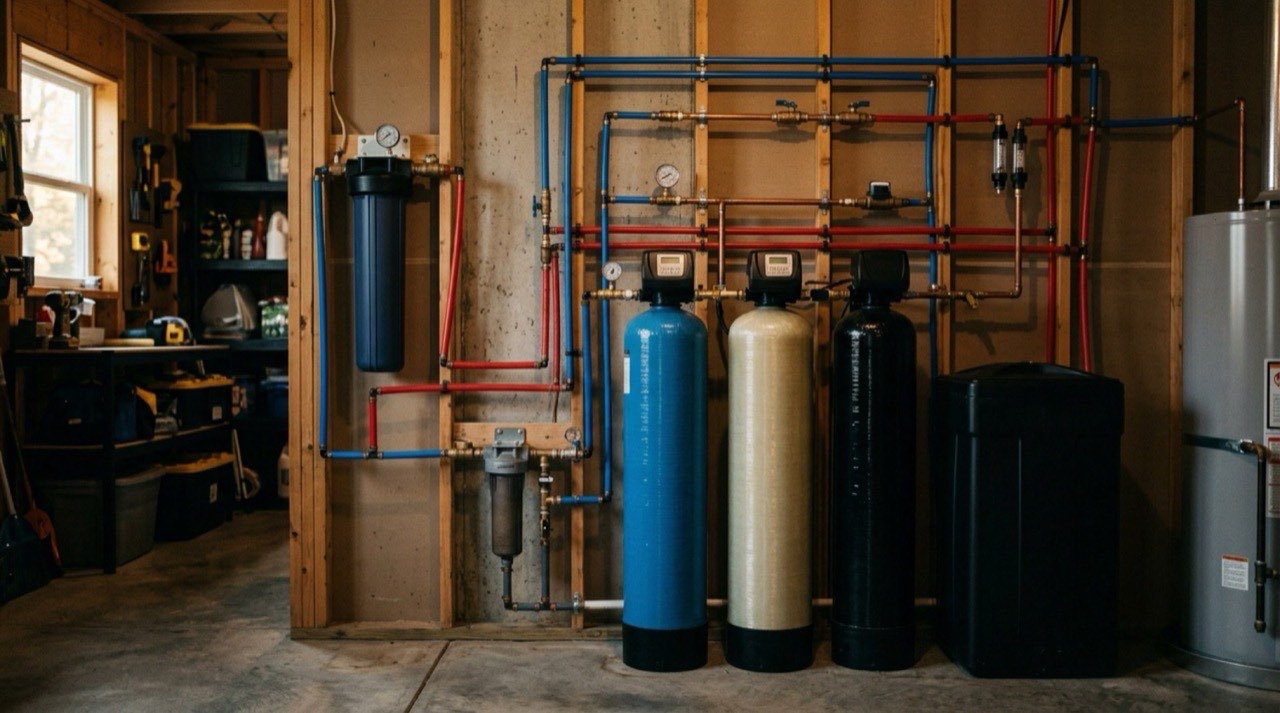
For an installed filter that seems to receive hot water unexpectedly, Valley Plumbing's water filtration service is the relevant next step.
Describe the connection concern instead of assuming the cartridge alone caused it.
A countertop product with no plumbing connection may be a question for the maker.
You do not need to turn a product question into a whole-house treatment project.
Keep the service call tied to the equipment that was exposed.
Make a short exposure record
Write down what you know while the event is fresh. Useful details include:
- The full system model and cartridge number, if visible.
- Whether water passed through the filter or only touched the outside.
- Whether the exposure happened once or has happened repeatedly.
- Whether you saw leakage, a changed shape, or a loose connection.
- Whether the filter was in use or being cleaned when it happened.
Use plain notes. “The kitchen handle was set to hot when I filled the pitcher” is useful.
“The water destroyed the carbon” is a claim that the record cannot show.
If you did not measure the water temperature, say that. Do not recreate the event to obtain a reading.
Likewise, a brief exposure does not justify assuming damage or assuming that nothing changed.
Ask about return to service, not just appearance
Ask the maker what must happen before you use the filter again.
It may need a new cartridge, a check, or removal from use.
Ask which parts its advice covers and whether any preparation is needed before normal use starts again.
A filter can look intact without proof that it still works. NSF's lead-reduction listings explain that the listed products were not tested at elevated shower or bath temperatures.
A certification for specified use is not a promise that the same performance continues outside those limits.
Do not taste-test water to decide whether filtration still works.
If you rely on the filter for a specific contaminant, explain that when asking for guidance.
Follow any current instructions from your water provider or public health authority even while the equipment question remains open.
A useful way to describe the event
For example, picture an under-sink system with a clear cold-water label. Its cartridge number is hidden.
The homeowner notices unusually warm water at the filtered tap after nearby plumbing work.
The useful next step is to photograph the visible label, stop using the filter, and report the timing.
Opening the housing to find the hidden number adds a repair task before anyone knows whether the supply connection is correct.
The same steps apply to an older system in Salt Lake City.
Find the visible labels, describe the change, and mark any missing details.
A plumber or maker can then ask for the details that actually matter.
Get help with the installed connection
If hot water reached an installed filter unexpectedly, or the temperature instructions remain unclear, contact Valley Plumbing for water filtration service.
Share the model details and exposure record so the conversation stays focused on safe return to use.